


How do you assess the role of soil in long-term agricultural sustainability?
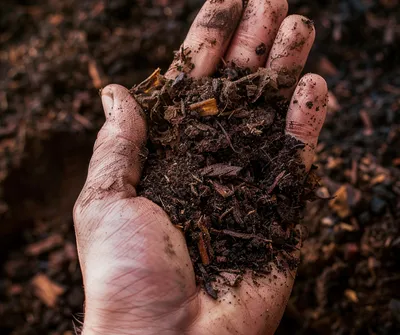
Avinash explained that soil is one of the most fundamental elements supporting life and is the primary science that brings these elements together to produce food and sustain life on Earth, yet its vital role in sustaining human life is often underestimated.
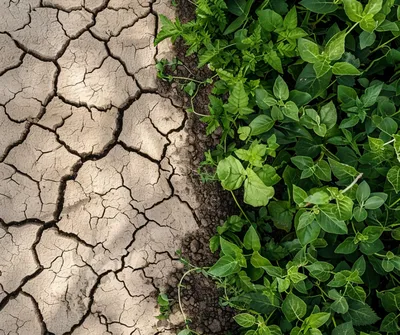
Having been trained in chemical-intensive farming, Avinash once believed that chemical inputs represented progress but soon realised that this approach is unsustainable. Agriculture should not be toxic or damaging to farmers, soil or ecosystems. Conditions that did not exist 70 or 80 years ago are the result of choices that now need to be reconsidered.
What factors led to the shift toward chemical-intensive agriculture?
After World War II, research on burned plant material led to the identification of limiting nutrients, fueling the belief that soil required artificial replenishment to sustain yields. After the explosives demand fell, wartime chemical industries pivoted to fertilisers, embedding synthetic inputs into agriculture. This shift was driven by the mistaken view that soil alone cannot support a growing population, prioritising short-term yields over long-term soil health.
How did earlier generations farm sustainably without artificial fertilisers, and what has driven today’s reliance on chemical inputs?
What’s surprising to hear is that human food needs are lower than often assumed; around 0.18 hectares per person annually can meet dietary requirements, suggesting land availability is not the primary constraint. The real issue lies in land-use priorities. Agriculture increasingly focuses on cash and non-food crops such as sugarcane, cotton and biofuels, while over 70% of global agricultural land is used for animal feed like soy and corn, driving deforestation, including in the Amazon.
Animal husbandry places significant strain on agriculture due to inefficient feed-to-protein conversion and rising meat consumption. Dietary choices, rather than population growth, are the main driver of land pressure. A shift toward plant-based diets would substantially reduce land use and enable forest restoration.
However, dominant global narratives continue to frame food security around population growth and land scarcity, overlooking broader drivers.